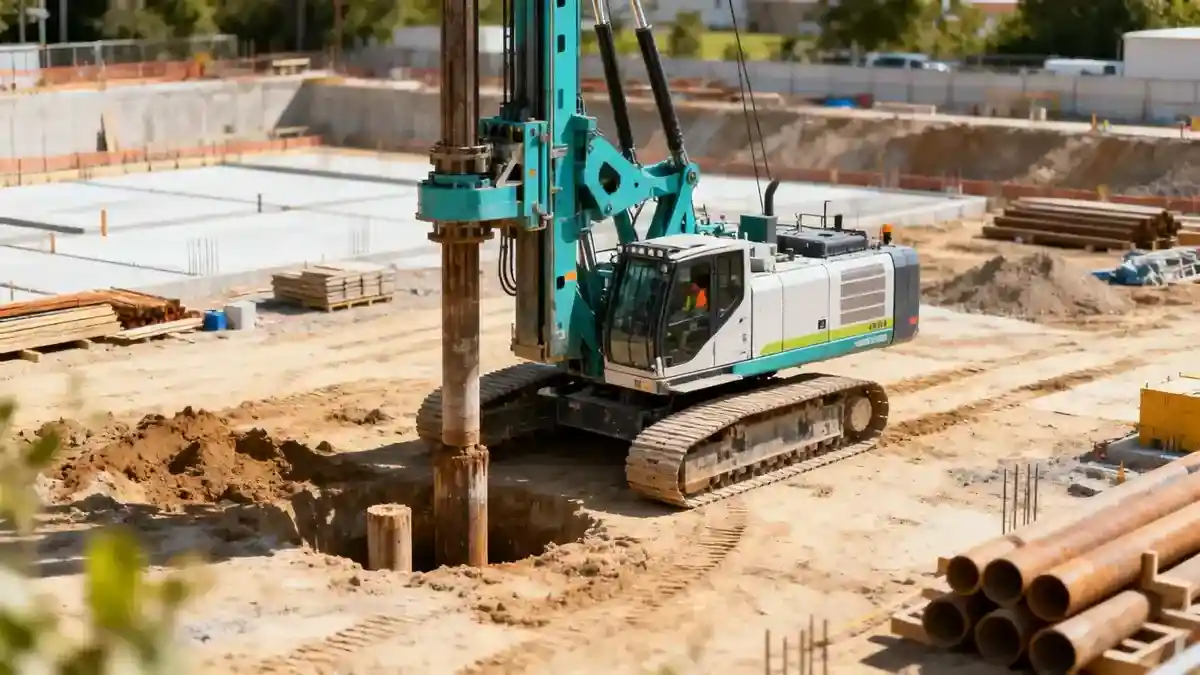
Methodology
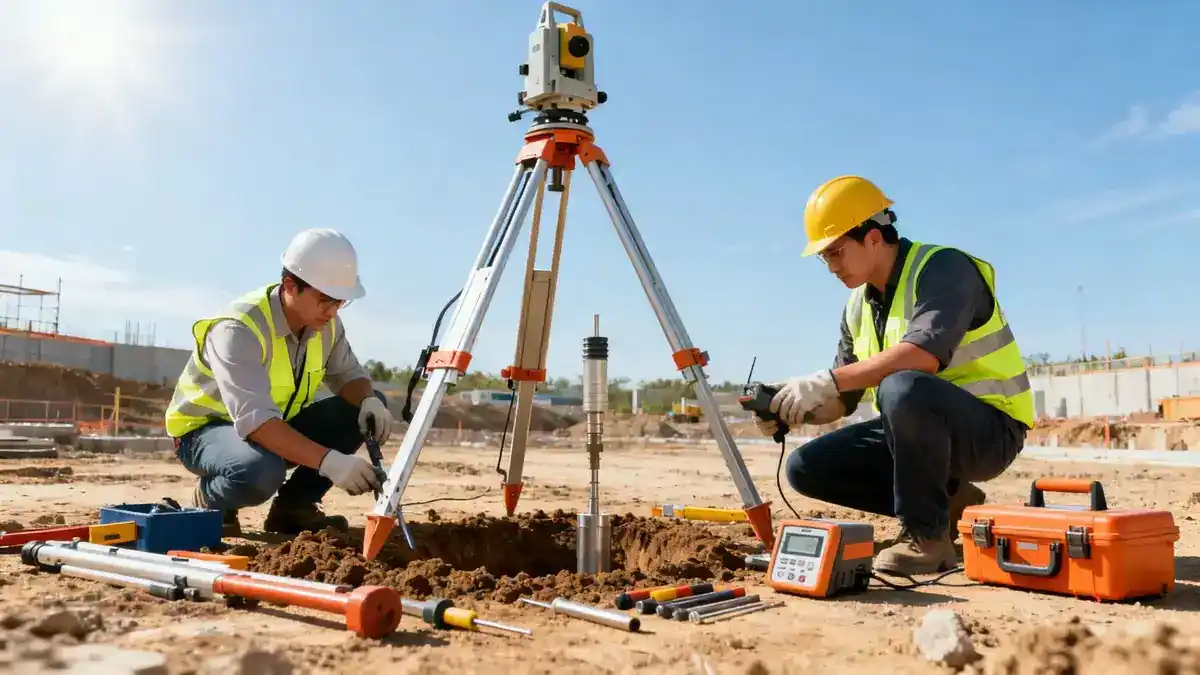
Our methodology for geotechnical engineering in Wellington integrates field investigation, laboratory testing, and numerical analysis. We begin with a desk study reviewing geological maps and historical data, followed by intrusive investigation using spt boring to obtain soil samples and measure penetration resistance per ASTM D1586. In seismic zones, we supplement with geophysical surveys to determine shear wave velocity. All data is interpreted against the New Zealand Geotechnical Database and local experience, producing a ground model that informs foundation design, slope stability, and earthworks. Our reporting follows the guidelines of the Ministry of Business, Innovation and Employment (MBIE) and local council requirements.
Reference Technical Parameters
| Parameter | Reference Value |
|---|---|
| Predominant soil type | Quaternary alluvium, colluvium, and weathered greywacke (Wellington Greywacke) |
| Maximum seismic acceleration (PGA) | 0.4g to 0.6g for ultimate limit state (per NZS 1170.5) |
| Typical groundwater level | 1.5 m to 5 m below ground surface in valley floors; deeper on hillsides |
| Bedrock depth | Variable: from 2 m in hill suburbs to over 30 m in reclaimed harbour areas (Lambton Harbour) |
| Typical N60 range | 4–15 blows/300 mm in alluvial soils; 20–50+ in colluvium and weathered rock |
Local Considerations — Wellington
Wellington's geology is dominated by the Wellington Greywacke, a hard sedimentary rock, overlain by variable Quaternary deposits. The city sits on the active Wellington Fault, requiring detailed seismic hazard assessment. Soil conditions change markedly between suburbs: hill areas like Kelburn and Thorndon have shallow bedrock, while the central city and Petone occupy deep alluvial basins with soft soils and high liquefaction potential. Groundwater levels are generally shallow in low-lying areas. Typical geotechnical challenges include foundation design on sloping sites, retaining wall design for cut slopes, and mitigation of liquefaction in reclaimed land. Our firm addresses these with site-specific investigations and robust analysis per NZS 1170.5 and the Earthquake Commission guidelines.
Request a Quote
Our team reviews your project and issues an initial report at no cost.
Or write us directly at [email protected]
Services in Wellington
Locations covered in Wellington
Applicable Standards
- NZS 1170.5 – Structural design actions – Earthquake actions
- NZS 3604 – Timber-framed buildings (for light structures)
- NZS 4431 – Code of practice for earth fill
- ASTM D1586 – Standard test for SPT
- BS 5930 – Code of practice for site investigations
Frequently Asked Questions
What are the typical soil types encountered in Wellington?
Wellington's soils range from alluvial sands and silts in the valley floors to colluvial gravels and clays on slopes. The underlying bedrock is predominantly greywacke, a hard sedimentary rock. In reclaimed areas, you may find loose fills and soft marine sediments. Each soil type requires specific investigation and testing methods.
Is a geotechnical investigation mandatory for building in Wellington?
Yes, under the New Zealand Building Code and local council requirements, a geotechnical investigation is typically required for new buildings, especially those in seismic zones or on sloping ground. The extent depends on the building's importance level and site conditions. Our firm can advise on the scope needed for your project.
How does Wellington's seismic activity affect foundation design?
Wellington is a high seismic zone with design peak ground accelerations up to 0.6g. This demands rigorous site-specific seismic hazard analysis, including liquefaction assessment and determination of site subsoil class per NZS 1170.5. Foundations must be designed to resist both static and dynamic loads, often requiring deep piles or ground improvement.