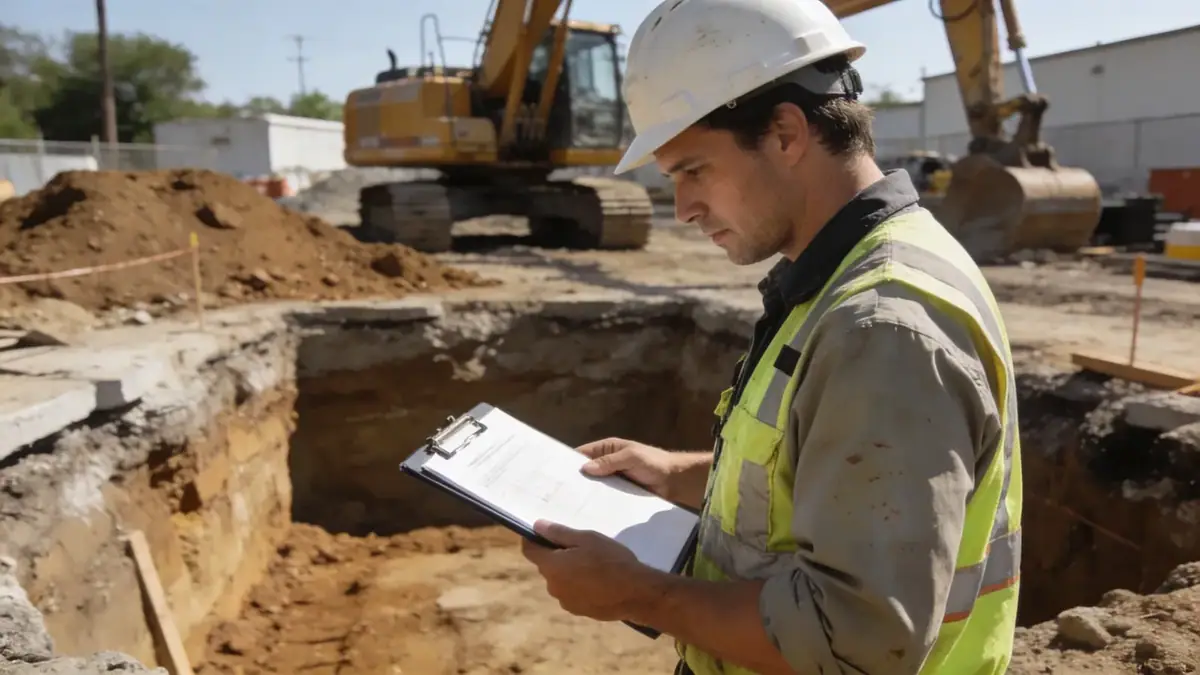
Methodology
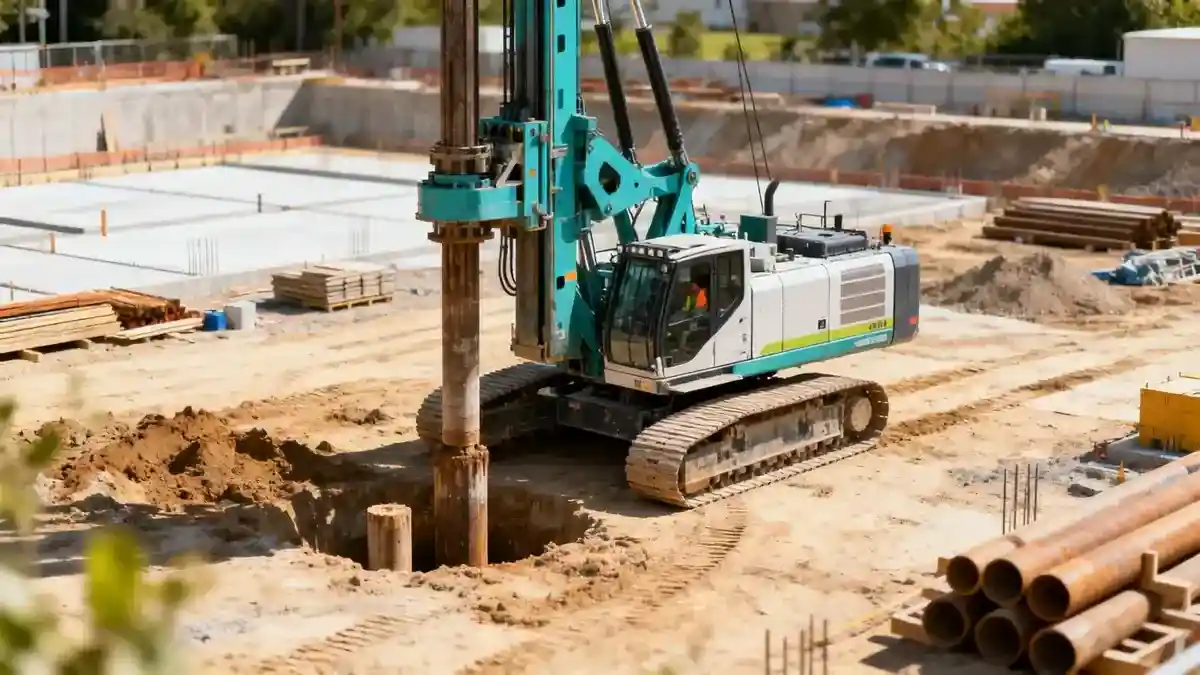
Our methodology for geotechnical engineering in Auckland integrates advanced field investigations and laboratory testing. We employ spt boring to obtain disturbed and undisturbed soil samples, with SPT N-values measured every 1.0-1.5 m per ASTM D1586. Cone penetration testing provides continuous stratigraphic profiles to depths of 10-30 m. Our soil mechanics laboratory classifies soils using sieve analysis (ASTM D6913) and Atterberg limits (Casagrande cup). Shear strength is assessed via direct shear (ASTM D3080) and triaxial tests. Consolidation tests (ASTM D2435) determine settlement parameters. This data informs foundation design, slope stability, and retaining wall design, ensuring compliance with local regulations.
Reference Technical Parameters
| Parameter | Reference Value |
|---|---|
| Predominant soil type | Volcanic ash, alluvial silts, and clays |
| Maximum seismic acceleration (PGA) | 0.4g (NZ 1170.5) |
| Typical groundwater level | 1-5 m below ground surface |
| Bedrock depth | Varies; typically 10-50 m |
| Typical N60 range | 5-30 blows/300 mm |
Local Considerations — Auckland
Auckland's geology is dominated by the Auckland Volcanic Field, with basalt flows, tuff rings, and scoria cones. The isthmus features stiff volcanic clays and residual soils, while coastal areas have soft marine sediments and peat. Groundwater is shallow in valleys, requiring dewatering. Seismic hazard is moderate, with PGA up to 0.4g. The eastern suburbs (e.g., Parnell) have firm soils, while the central business district (CBD) overlies reclaimed land with variable fill. Typical projects include high-rise foundations on volcanic rock and slope stability in the Waitakere Ranges. Our team recommends slope stability assessments for hillside developments.
Request a Quote
Our team reviews your project and issues an initial report at no cost.
Or write us directly at [email protected]
Services in Auckland
Locations covered in Auckland
Applicable Standards
- NZS 1170.5:2004 Structural Design Actions – Earthquake Actions
- NZS 3604:2011 Timber-framed Buildings (for shallow foundations)
- NZS 4402:1986 Methods of Testing Soils for Civil Engineering Purposes
- ASTM D1586 Standard Test Method for Standard Penetration Test
Frequently Asked Questions
What are the typical soil conditions in Auckland?
Auckland's soils vary widely due to volcanic activity. Common types include volcanic ash, alluvial silts, and stiff clays. The Auckland Volcanic Field has produced basalt flows and tuff deposits. Groundwater is generally shallow, and soft marine sediments are found in coastal areas.
Is seismic design required for geotechnical projects in Auckland?
Yes, Auckland is in a moderate seismic zone with a peak ground acceleration of up to 0.4g. Geotechnical investigations must comply with NZS 1170.5, and foundation designs must account for liquefaction potential in loose sands and soft soils.
When is a geotechnical investigation mandatory in Auckland?
Geotechnical investigations are required for all building consents under the New Zealand Building Code. For residential projects on shallow foundations, NZS 3604 may apply. For complex sites with fill, slopes, or high seismic risk, a full site investigation is mandatory.