
Methodology
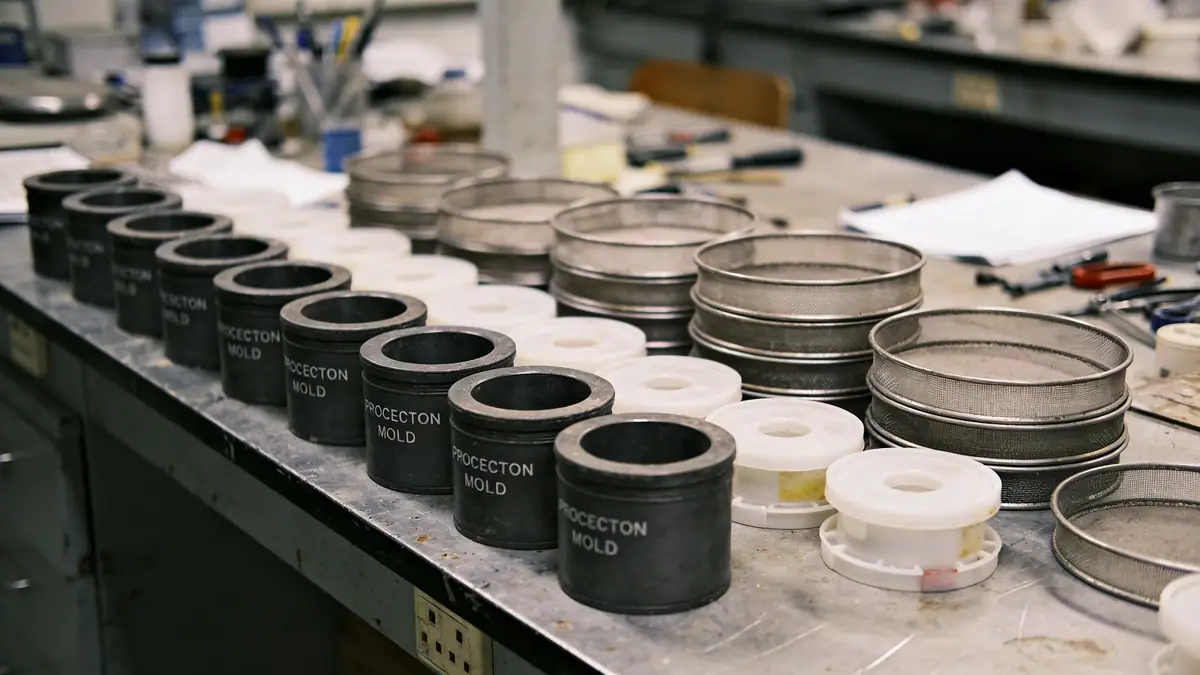
Our methodology for geotechnical engineering in New Plymouth begins with a thorough desk study of existing geological maps and borehole records. We then execute a field investigation program tailored to the site, typically including spt boring to obtain soil samples and measure N60 values, supplemented by cone penetration testing (CPT) where access allows. In the laboratory, we classify soils according to NZS 4407 and perform strength and consolidation tests. For slope stability assessments, we use limit equilibrium methods and consider seismic loading per NZS 1170.5. Our approach integrates all data into a geotechnical interpretative report that addresses foundation design, earthworks, and drainage requirements.
Reference Technical Parameters
| Parameter | Reference Value |
|---|---|
| Predominant soil type | Volcanic ash, colluvium, and alluvial sands/gravels |
| Maximum seismic acceleration (PGA) | 0.4g (NZS 1170.5, subsoil class C/D) |
| Typical groundwater level | 2–5 m below ground surface (variable seasonally) |
| Bedrock depth | 5–20 m (andesitic rock beneath volcanic cover) |
| Typical N60 range (SPT) | 10–30 blows/300mm in cohesive soils; >50 in dense sands |
Local Considerations — New Plymouth
New Plymouth's geotechnical challenges stem from the volcanic geology of Mount Taranaki. We regularly see loose pumiceous sands and soft clays in the coastal strip, requiring careful bearing capacity analysis. On the hillslopes, colluvium overlies weathered andesite, posing slope stability issues during wet winters. The region is seismically active, with design accelerations up to 0.4g per NZS 1170.5. Liquefaction potential is low except in recent alluvial deposits near the Waitara River. Our team also addresses expansive clay behavior in the central suburbs. For projects requiring specialized analysis, we coordinate with our geotechnical engineering in Auckland office. Additionally, we offer soil mechanics laboratory services locally to support timely testing.
Request a Quote
Our team reviews your project and issues an initial report at no cost.
Or write us directly at [email protected]
Services in New Plymouth
Applicable Standards
- NZS 1170.5:2004 (Structural Design Actions – Earthquake)
- NZS 4404:2010 (Land Development and Subdivision Infrastructure)
- NZS 3604:2011 (Timber-framed Buildings – includes foundation requirements)
- ASTM D1586 (Standard Test Method for SPT)
Frequently Asked Questions
What are the typical soil conditions for foundations in New Plymouth?
Soils vary from volcanic ash and pumice sands on the slopes to alluvial gravels and clays in the valleys. Bearing capacities typically range from 100–300 kPa, but site-specific investigation is essential due to the heterogeneous nature of the deposits.
Is a geotechnical report required for building consent in New Plymouth?
Yes, for most sites—especially those with sloping ground, known fill, or high seismic hazard. The New Plymouth District Council typically requires a geotechnical assessment per NZS 3604 for timber-framed buildings unless alternative foundation design is proposed.
How does the seismic hazard affect geotechnical design in New Plymouth?
The region has a high seismic hazard with PGA up to 0.4g. Design must account for soil amplification (subsoil class C or D), potential liquefaction in loose sands, and slope instability. Our reports include site-specific seismic parameters per NZS 1170.5.