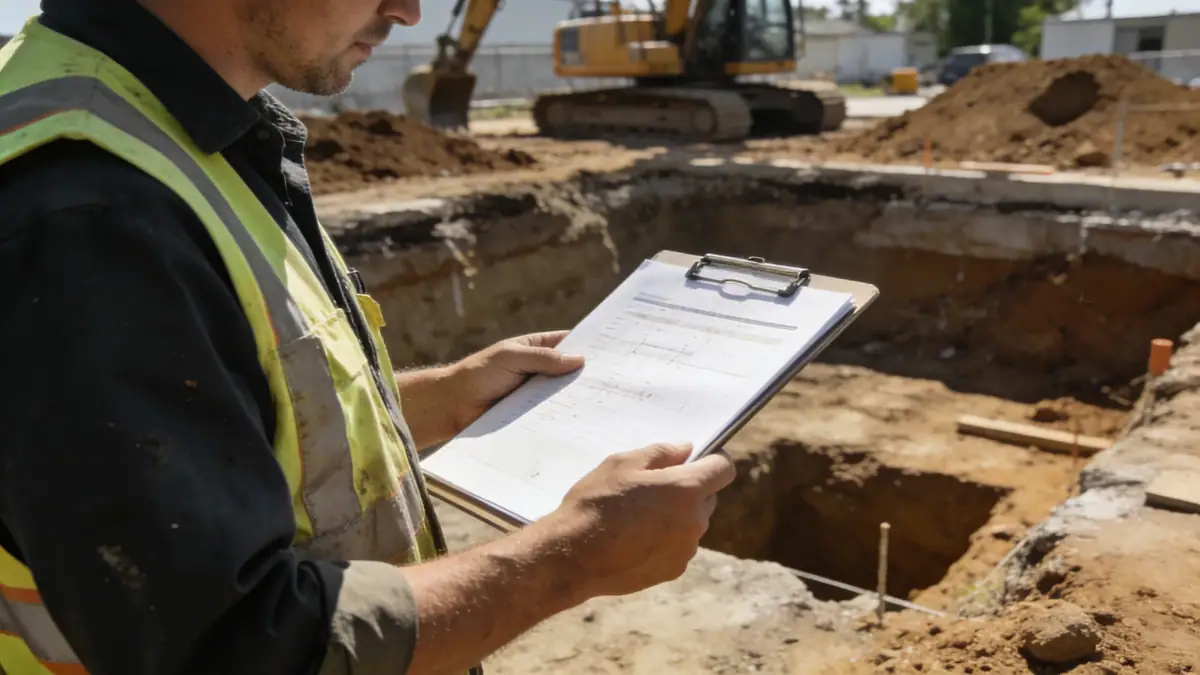
Methodology
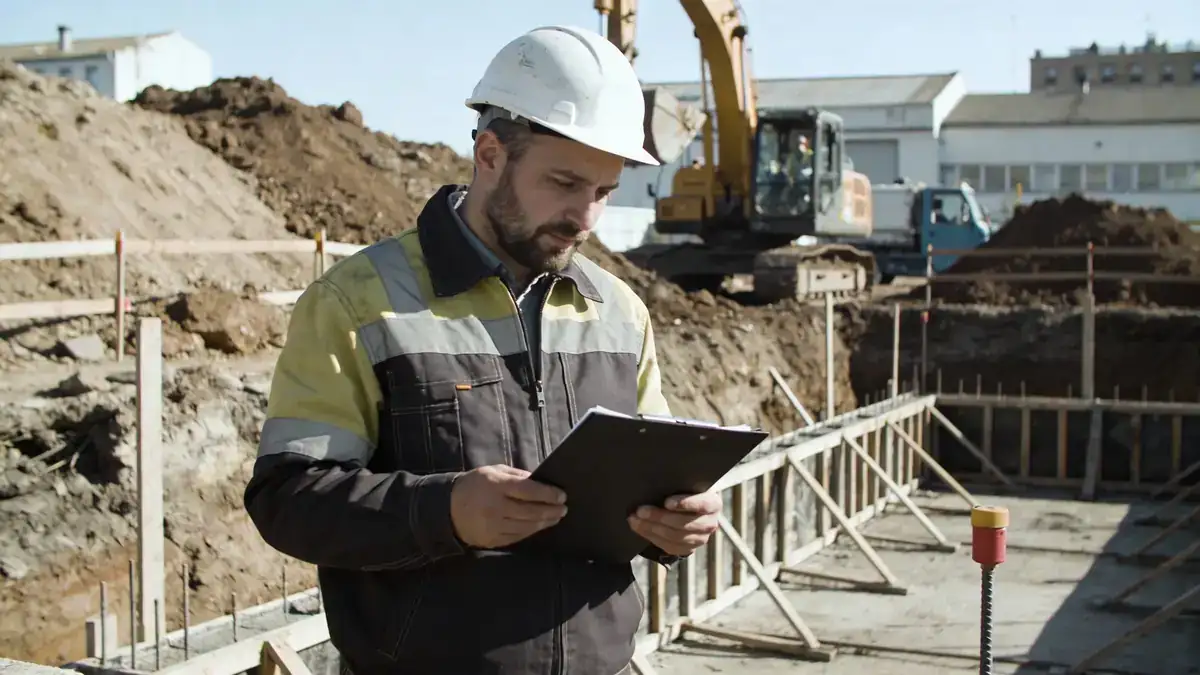
Our SPT boring methodology follows NZS 4402.6.1.1 and ASTM D1586. We use a 63.5 kg hammer dropped 760 mm to drive a split-spoon sampler 450 mm into the soil; the blow counts for the final 300 mm are recorded as N-value. Boreholes are advanced using truck-mounted or track-mounted rigs, typically to depths of 6–15 m depending on project requirements. Continuous sampling is performed at 1.5 m intervals, or more frequently in variable strata. Soil samples are logged on site and transported to our Soil Mechanics Laboratory for classification and strength testing. In seismic zones, we extend boreholes to 30 m to capture deeper soil layers for liquefaction assessment. All equipment is calibrated every 12 months per NZS 4402 requirements.
Reference Technical Parameters
| Parameter | Reference Value |
|---|---|
| Hammer Weight | 63.5 kg |
| Drop Height | 760 mm |
| Sampler Dimensions | 50.8 mm OD, 35 mm ID |
| Typical Borehole Depth | 6–15 m (up to 30 m for liquefaction) |
| Sampling Interval | 1.5 m or as per project specifications |
Local Considerations — New Zealand
New Zealand's diverse geology—from Auckland's volcanic soils to Christchurch's deep alluvial gravels and Wellington's greywacke—requires region-specific SPT procedures. In Christchurch, post-earthquake liquefaction assessments demand N-values corrected for overburden and fines content. In Hamilton, peat and pumice layers require careful energy corrections. Our firm adapts drilling techniques and sampling intervals to local conditions, ensuring compliance with NZS 1170.5 seismic provisions. We have completed projects in Blenheim, Dunedin, and Gisborne, each with unique soil profiles. Our national presence allows us to deploy the right rig and crew for each region, maintaining consistent quality from Invercargill to Whangarei.
Request a Quote
Our team reviews your project and issues an initial report at no cost.
Or write us directly at [email protected]
Applicable Standards
- NZS 4402.6.1.1:1986 - Methods of Testing Soils for Civil Engineering Purposes, Part 6.1.1: Standard Penetration Test
- ASTM D1586 - Standard Test Method for Standard Penetration Test (SPT) and Split-Barrel Sampling of Soils
- NZS 1170.5:2004 - Structural Design Actions, Part 5: Earthquake Actions (for liquefaction assessment)
Frequently Asked Questions
What is the difference between SPT and CPT?
SPT (Standard Penetration Test) measures the resistance of soil to a driven split-spoon sampler, providing an N-value used for bearing capacity and liquefaction analysis. CPT (Cone Penetration Test) uses a cone pushed hydraulically, giving continuous readings. SPT is preferred in gravelly soils or where soil samples are needed for classification.
How deep can SPT boring reach?
Our typical boreholes range from 6 to 15 metres, but we can extend to 30 metres for liquefaction assessments in seismic zones. Depth is limited by soil conditions, groundwater, and equipment capabilities. In very dense gravels, refusal may occur earlier; in soft clays, we may use a larger rig.
What corrections are applied to SPT N-values in New Zealand?
We apply corrections for overburden pressure (CN), hammer energy ratio (CE), rod length (CR), and sampler configuration (CS) as per NZS 4402. For liquefaction analysis, we also correct for fines content. These corrections ensure N-values reflect in-situ soil strength and are comparable across sites.
How much does SPT boring cost in New Zealand?
The cost typically ranges from $910 to $1,260 per borehole, depending on depth, accessibility, number of tests, and site conditions. Additional fees may apply for mobilisation, particularly for remote locations. For an accurate quote, please contact our team with your project details.