Methodology
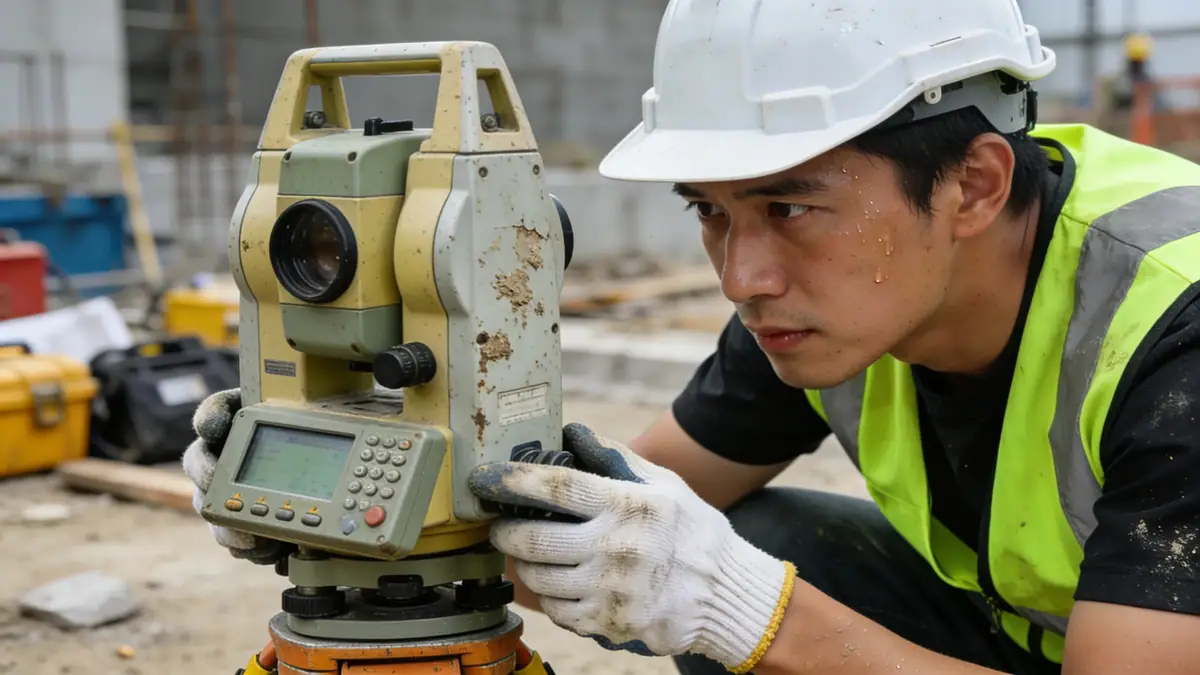
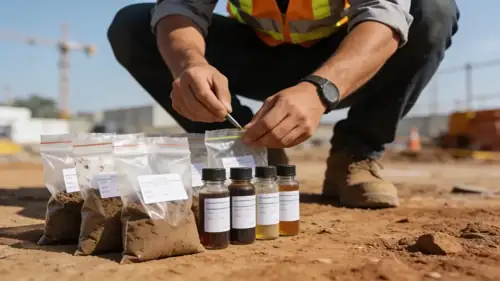
Our methodology follows a systematic approach grounded in established geotechnical principles. We begin with a desk study of geological maps and historical data, followed by field reconnaissance. Core to our investigations is the Standard Penetration Test (SPT) performed in accordance with ASTM D1586, providing consistent soil resistance measurements. These data are complemented by our SPT Boring services, which yield undisturbed samples for laboratory classification. We then apply limit equilibrium analyses for slope stability and design retaining walls using earth pressure theories. All findings are documented in comprehensive reports that guide foundation design and construction sequencing.
Reference Technical Parameters
| Parameter | Reference Value |
|---|---|
| SPT N-value (sand) | 10–50 blows/300 mm |
| Cohesion (clay) | 20–100 kPa |
| Friction angle (gravel) | 35–45° |
| Allowable bearing capacity | 150–400 kPa |
| Seismic zone factor (Z) | 0.13–0.40 (NZS 1170.5) |
Local Considerations — New Zealand
New Zealand's position on the Pacific Ring of Fire subjects it to high seismic activity, necessitating rigorous geotechnical assessment. Soils range from deep alluvial deposits in Canterbury to volcanic ash in the Waikato and stiff clays in Otago. Liquefaction potential is a critical concern in many urban areas, particularly Christchurch and the Hutt Valley. Our local knowledge ensures that designs comply with NZS 1170.5 and the NZ Building Code. For region-specific challenges, our team in Blenheim provides targeted solutions for Marlborough's gravelly soils and seismic risks.
Request a Quote
Our team reviews your project and issues an initial report at no cost.
Or write us directly at [email protected]
Applicable Standards
- NZS 1170.5:2004 Structural design actions – Earthquake actions
- NZS 3604:2011 Timber-framed buildings
- ASTM D1586 Standard Test Method for Standard Penetration Test (SPT)
- Eurocode 7 (BS EN 1997) – adopted in some projects
Frequently Asked Questions
What is the role of SPT boring in geotechnical investigations?
SPT boring provides a measure of soil resistance (N-value) and collects disturbed samples for classification. It is a cost-effective method to assess soil strength and stratigraphy at depth, widely used in New Zealand for foundation design and liquefaction assessment.
How does seismic activity affect geotechnical design in New Zealand?
Seismic loads can trigger soil liquefaction, slope failure, and bearing capacity loss. Geotechnical engineers must evaluate site-specific hazards using NZS 1170.5, perform cyclic strength tests, and design foundations to withstand earthquake-induced forces.
What are typical soil types encountered in New Zealand?
Common soils include alluvial silts and sands in Canterbury, volcanic pumice and ash in the North Island, stiff clays in Otago, and gravels in Marlborough. Each type has distinct engineering properties that influence foundation selection and construction methods.