Methodology

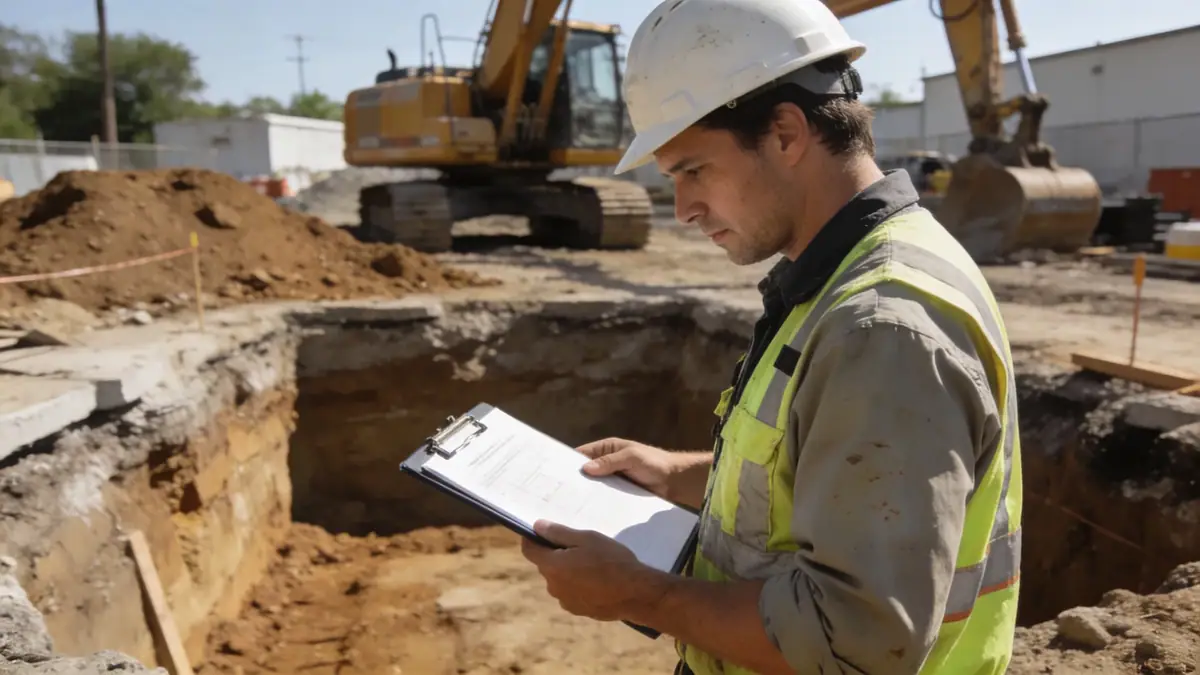
Our methodology for geotechnical engineering in Pukekohe begins with a thorough desk study of existing geological maps and historical site records. We then conduct on-site investigations using standard penetration testing to characterize soil layers and measure strength parameters. Sampling intervals follow ASTM D1586 at 1.0–1.5 m depth increments, with boreholes typically extending 8–15 m for residential projects. Groundwater levels are monitored during drilling and post-drilling standpipes. Laboratory tests on retrieved samples include classification, compaction, and shear strength assessments to inform foundation design and slope stability evaluations.
Reference Technical Parameters
| Parameter | Reference Value |
|---|---|
| Predominant soil type | Volcanic ash and clay over weathered basalt |
| Maximum seismic acceleration (PGA) | 0.4g (NZS 1170.5 Zone 3) |
| Typical groundwater level | 1.5–3.0 m below ground surface |
| Bedrock depth | 5–20 m (variable basalt depths) |
| Typical N60 range | 4–15 (soft to firm clays); >30 (weathered basalt) |
Local Considerations — Pukekohe
Pukekohe's geology is dominated by volcanic ash and clay deposits overlying basalt flows from the Auckland Volcanic Field. Soil profiles often exhibit high plasticity and variable strength, requiring careful assessment of bearing capacity and settlement. The region's shallow groundwater table (1.5–3 m) demands dewatering considerations for excavations. Seismic design follows NZS 1170.5 with a peak ground acceleration of 0.4g, necessitating site-specific response analysis. Geotechnical studies are mandatory for all building consents under the New Zealand Building Code. For regional context, our geotechnical engineering services from Auckland provide additional resources and expertise for projects in Pukekohe.
Request a Quote
Our team reviews your project and issues an initial report at no cost.
Or write us directly at [email protected]
Services in Pukekohe
Applicable Standards
- NZS 1170.5:2004 (Structural Design Actions – Earthquake)
- NZS 3604:2011 (Timber-framed Buildings)
- NZS 4404:2010 (Land Development and Subdivision Infrastructure)
- ASTM D1586 (Standard Penetration Test)
Frequently Asked Questions
What are the typical soil types encountered in Pukekohe?
Pukekohe soils are primarily volcanic ash and clay overlying weathered basalt. These soils often have high plasticity and variable strength, requiring detailed site investigation to determine engineering properties for foundation design.
Is a geotechnical report mandatory for building in Pukekohe?
Yes, under the New Zealand Building Code, a geotechnical report is required for most building consents in Pukekohe, especially for sites with known volcanic soils, high seismicity, or shallow groundwater. The report must address bearing capacity, settlement, and seismic hazards.
How does seismic activity affect construction in Pukekohe?
Pukekohe falls within Seismic Zone 3 per NZS 1170.5, with a peak ground acceleration of 0.4g. Foundations must be designed to resist earthquake loads, and site-specific response analysis may be needed for soft soil sites to avoid amplification effects.