Methodology
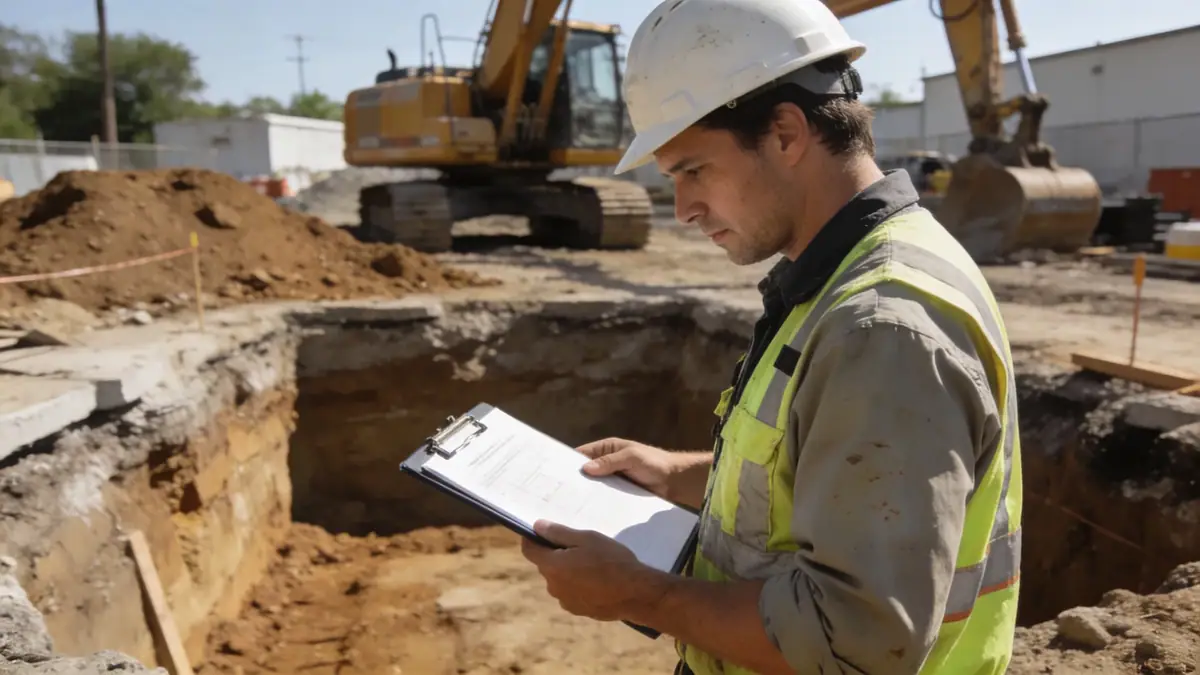
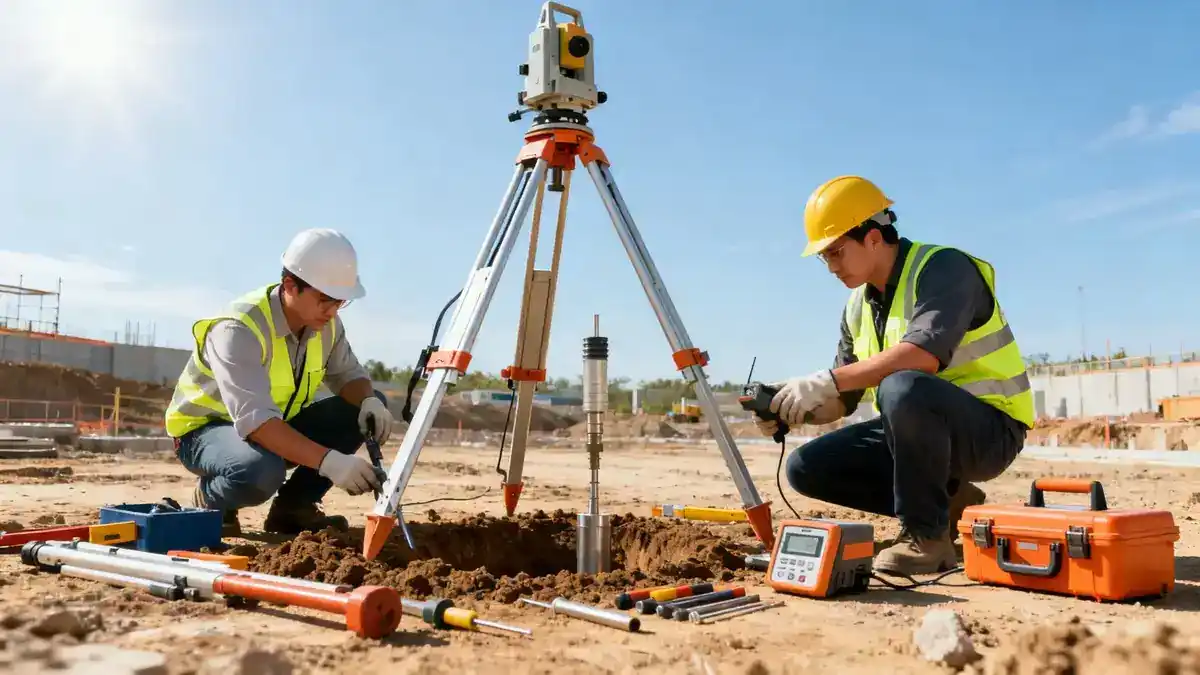
Our methodology for geotechnical engineering in Rotorua integrates thorough site investigation, advanced laboratory testing, and robust analysis. We begin with a detailed desk study of geological and historical data, followed by field exploration using methods such as spt boring to obtain soil samples and measure in-situ properties. In our soil mechanics laboratory, we conduct classification, strength, and consolidation tests to characterize the pumiceous soils typical of Rotorua. Our approach ensures that all design parameters are tailored to the local environment, including seismic and groundwater considerations. This systematic process allows us to deliver reliable recommendations for foundations, earthworks, and slope stability, minimizing risk and optimizing project outcomes.
Reference Technical Parameters
| Parameter | Reference Value |
|---|---|
| Predominant soil type | Pumiceous sand and silt with occasional peat layers |
| Maximum seismic acceleration (PGA) | 0.4 g (Ultimate Limit State per NZS 1170.5) |
| Typical groundwater level | 1–3 m below ground surface (variable seasonally) |
| Bedrock depth | 10–30 m (rhyolitic ignimbrite or andesite) |
| Typical N60 range (SPT) | 5–25 blows/0.3 m (loose to medium dense) |
Local Considerations — Rotorua
Rotorua's geology is dominated by volcanic deposits, including pumice, ash, and ignimbrite, which are highly compressible and prone to liquefaction under seismic loading. The high groundwater table, often less than 2 m deep, complicates excavation and foundation construction. Our geotechnical engineering in Rotorua must account for these factors, particularly in areas like Glenholme and Springfield, where soft soils prevail. We also address geothermal activity, which can cause ground heating and aggressive chemical conditions. For projects near Lake Rotorua, slope stability and erosion control are critical. Our team tailors investigations to these local conditions, referencing the New Zealand Geotechnical Society guidelines. For broader expertise, see our geotechnical engineering in Auckland for comparison with different soil profiles.
Request a Quote
Our team reviews your project and issues an initial report at no cost.
Or write us directly at [email protected]
Services in Rotorua
Applicable Standards
- NZS 1170.5:2004 Structural design actions – Earthquake actions
- NZS 3604:2011 Timber-framed buildings
- ASTM D1586 Standard test method for SPT
- NZS 4431:1989 Code of practice for earth fill
Frequently Asked Questions
What are the typical soil conditions in Rotorua for foundation design?
Rotorua's soils are predominantly volcanic pumice and ash, often loose to medium dense, with high compressibility. Groundwater is typically shallow (1–3 m depth). These conditions require careful assessment of bearing capacity, settlement, and liquefaction potential, especially in seismically active zones.
Is a geotechnical investigation mandatory for building in Rotorua?
While not always legally mandatory for all structures, a geotechnical investigation is strongly recommended by the New Zealand Building Code (NZS 3604) for any building on variable or challenging ground. For commercial or multi-storey projects, it is typically required to ensure safety and compliance.
How does seismic activity affect geotechnical engineering in Rotorua?
Rotorua lies in a high seismic zone (PGA up to 0.4 g). The loose pumiceous soils are susceptible to liquefaction and cyclic softening. Geotechnical designs must incorporate site-specific seismic hazard analysis, including ground response and dynamic soil properties, to mitigate earthquake risks.