Methodology
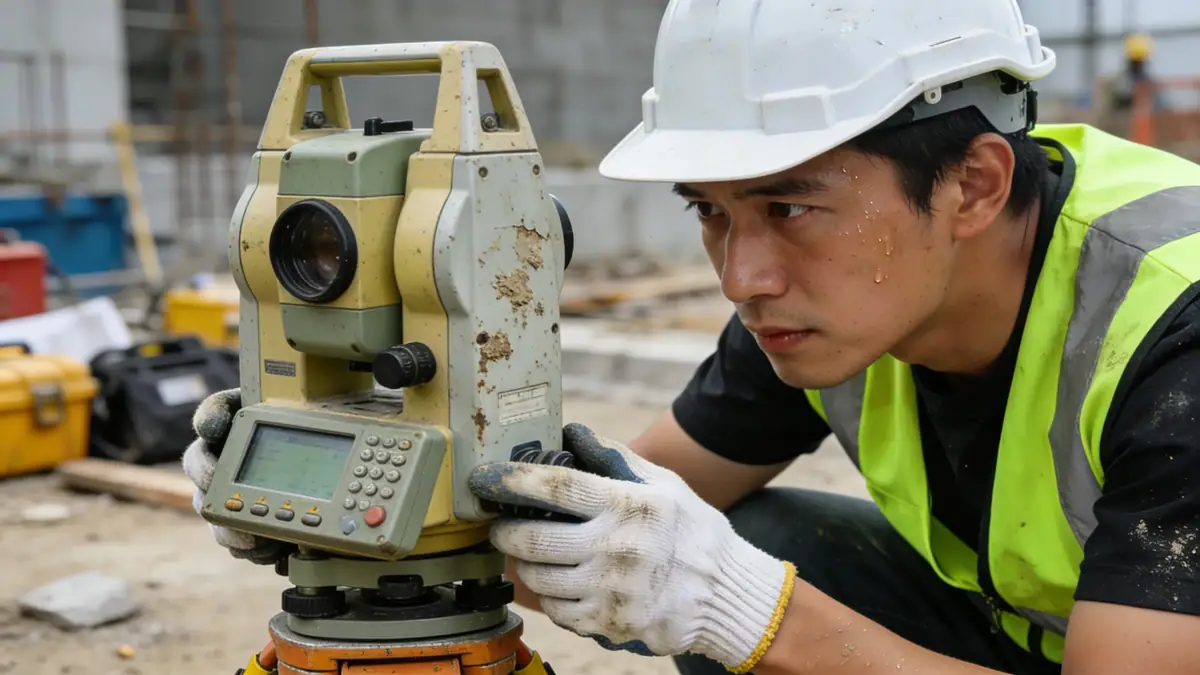
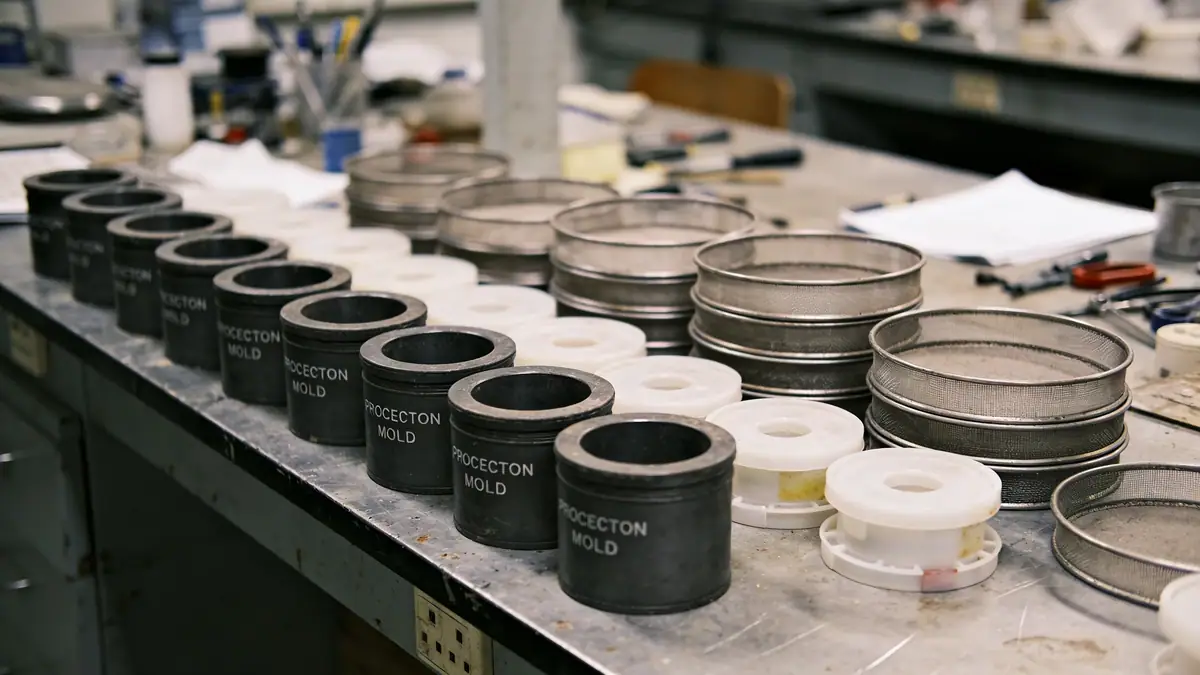
Our methodology for geotechnical engineering in Gisborne begins with a thorough desk study of existing geological maps and seismic hazard data, followed by field investigations including spt boring to measure soil resistance and groundwater conditions. We integrate laboratory testing, such as Atterberg limits and triaxial shear, to characterise soil behaviour under static and cyclic loading. Numerical modelling (e.g., PLAXIS) is used for slope stability and foundation settlement analyses. All work adheres to NZS 1170.5 and Eurocode 7 principles, ensuring robust, defensible designs for Gisborne's unique environment.
Reference Technical Parameters
| Parameter | Reference Value |
|---|---|
| Predominant soil type | Alluvial sands, silts, and gravels with peat layers |
| Peak ground acceleration (PGA) | Up to 0.4g (NZS 1170.5, high seismicity) |
| Typical groundwater level | 1.5–3 m below ground surface |
| Bedrock depth | Variable, 5–20 m (Tertiary sandstone/mudstone) |
| Typical N60 range (SPT) | 5–30 blows/300mm in sands, increasing with depth |
Local Considerations — Gisborne
Gisborne lies on the East Coast of the North Island, underlain by Quaternary alluvial deposits (sands, silts, gravels) over Tertiary sedimentary bedrock. The region experiences high seismicity due to the Hikurangi subduction zone, with peak ground accelerations up to 0.4g per NZS 1170.5. Shallow groundwater (1.5–3 m) and liquefaction-prone soils require careful site-specific evaluation. Older residential areas near the river may have loose fill; newer subdivisions on elevated terraces often show stiffer soils. Typical foundation solutions include shallow footings on compacted fill or driven piles where bearing capacity is low. Our team integrates these local factors into every geotechnical assessment, ensuring robust, code-compliant designs. For broader regional context, see our geotechnical engineering services in Auckland.
Request a Quote
Our team reviews your project and issues an initial report at no cost.
Or write us directly at [email protected]
Services in Gisborne
Applicable Standards
- NZS 1170.5:2004 (Structural Design Actions – Earthquake)
- NZS 3604:2011 (Timber-framed buildings – foundation requirements)
- ASTM D1586 (Standard Test Method for Standard Penetration Test (SPT))
- Eurocode 7 (Geotechnical Design – Part 1: General rules)
Frequently Asked Questions
What are the typical soil conditions in Gisborne?
Gisborne's soils are predominantly alluvial sands, silts, and gravels, often with peat lenses. Groundwater is shallow (1.5–3 m). Liquefaction is a concern in loose saturated sands during seismic events, requiring site-specific assessment per NZS 1170.5.
Do I need a geotechnical report for building in Gisborne?
Yes, the Gisborne District Council requires geotechnical investigations for most building consents, especially in high seismic zones. A report ensures foundation design accounts for soil bearing capacity, settlement, and liquefaction potential, complying with NZS 3604 or specific engineering design.
How does seismicity affect foundation design in Gisborne?
Gisborne is in a high seismic zone (Z factor 0.4 per NZS 1170.5). Soils with low N60 values (<10) may liquefy. Foundations must be designed to resist lateral spreading and bearing failure, often using deep piles or ground improvement. Our team evaluates site-specific spectral accelerations and soil profiles.