Methodology
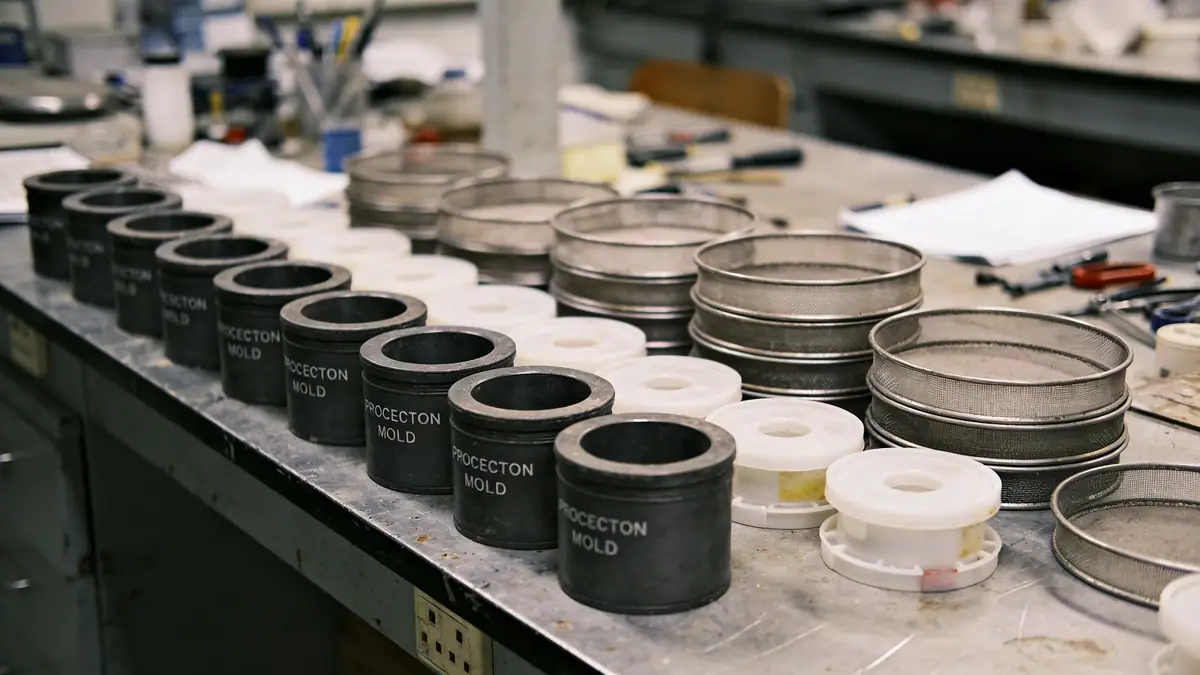
Our methodology for geotechnical engineering in Palmerston North begins with a desktop study of geological maps and historical site records. We then conduct field investigations, including spt boring to obtain disturbed and undisturbed samples, and perform in-situ tests to measure penetration resistance. Samples are classified in our laboratory for moisture content, particle size distribution, and Atterberg limits. We also assess groundwater levels and perform shear strength testing. Data are interpreted to develop a geotechnical model that defines bearing capacity, settlement potential, and seismic site classification per NZS 1170.5.
Reference Technical Parameters
| Parameter | Reference Value |
|---|---|
| Predominant soil type | Alluvial silts and sands with gravel lenses |
| Peak ground acceleration (PGA) | 0.2g to 0.3g (NZS 1170.5 zone factor) |
| Typical groundwater level | 1.5–3.0 m below surface |
| Bedrock depth | 10–30 m (greywacke) |
| Typical N60 range | 5–30 blows/300 mm |
Local Considerations — Palmerston North
Palmerston North lies on the Manawatū Plains underlain by Quaternary alluvium. Soils are predominantly silty sands and gravels with high groundwater in low-lying areas. Seismic hazard is moderate; site subsoil class is typically C or D per NZS 1170.5. The city is divided by the Manawatū River, with younger deposits on the terraces requiring deeper foundations. Common challenges include liquefaction potential during seismic events and variable bearing capacity across sites. Our team integrates local knowledge with standardised testing to address these conditions. For regional context, see geotechnical engineering en Wellington.
Request a Quote
Our team reviews your project and issues an initial report at no cost.
Or write us directly at [email protected]
Services in Palmerston North
Applicable Standards
- NZS 1170.5 – Structural design actions (earthquake)
- NZS 4404 – Land development and subdivision infrastructure
- ASTM D1586 – Standard test method for SPT
- NZS 3604 – Timber-framed buildings (simplified geotechnical requirements)
Frequently Asked Questions
What are the typical soil types encountered in Palmerston North?
The predominant soils are alluvial silts and sands with interbedded gravel layers. These deposits are moderately compact to loose, with groundwater often within 1.5–3 metres of the surface. Deeper layers may include clay lenses and occasional peat, requiring careful assessment for bearing capacity and settlement.
How does the seismic hazard in Palmerston North affect geotechnical design?
Palmerston North is in a moderate seismic zone with peak ground accelerations of 0.2–0.3g. Site subsoil class (C or D) influences spectral shape. Liquefaction potential exists in saturated loose sands. Geotechnical investigations must evaluate these factors to design foundations that meet NZS 1170.5 requirements.
Is a geotechnical investigation mandatory for building in Palmerston North?
For most new buildings, especially those with shallow foundations or in liquefaction-prone areas, a geotechnical report is required by Palmerston North City Council. NZS 3604 allows simplified design for timber-framed structures on good ground, but any site with variable soils or high groundwater typically needs a site-specific investigation.