Methodology
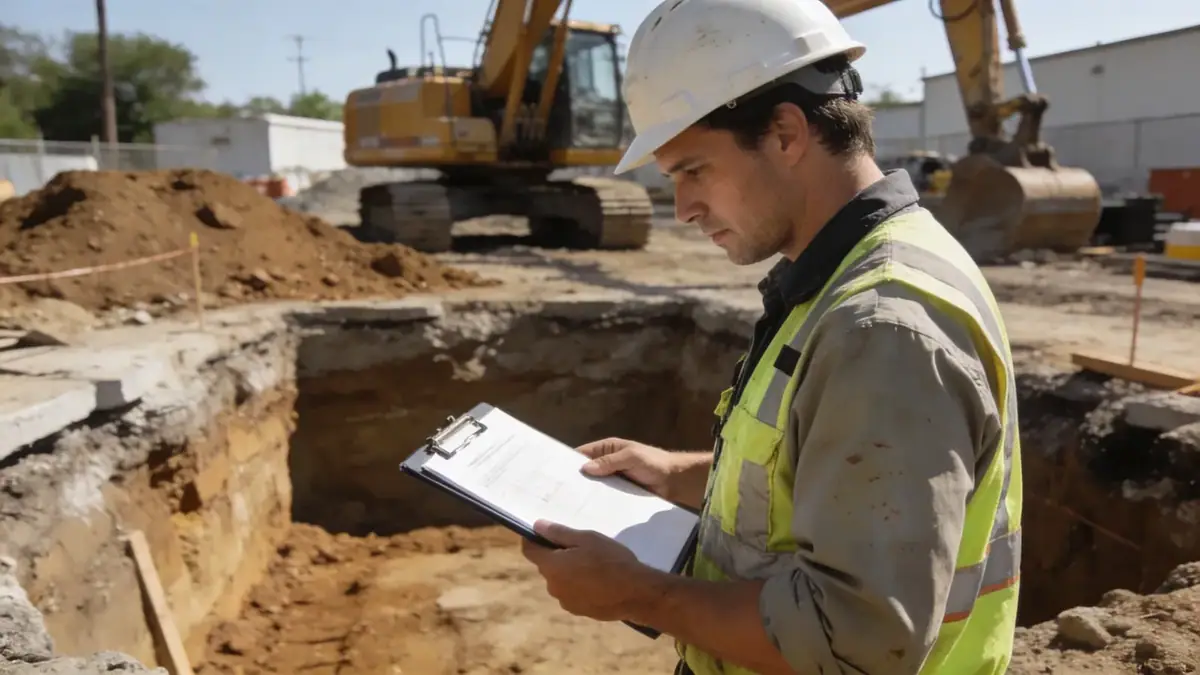
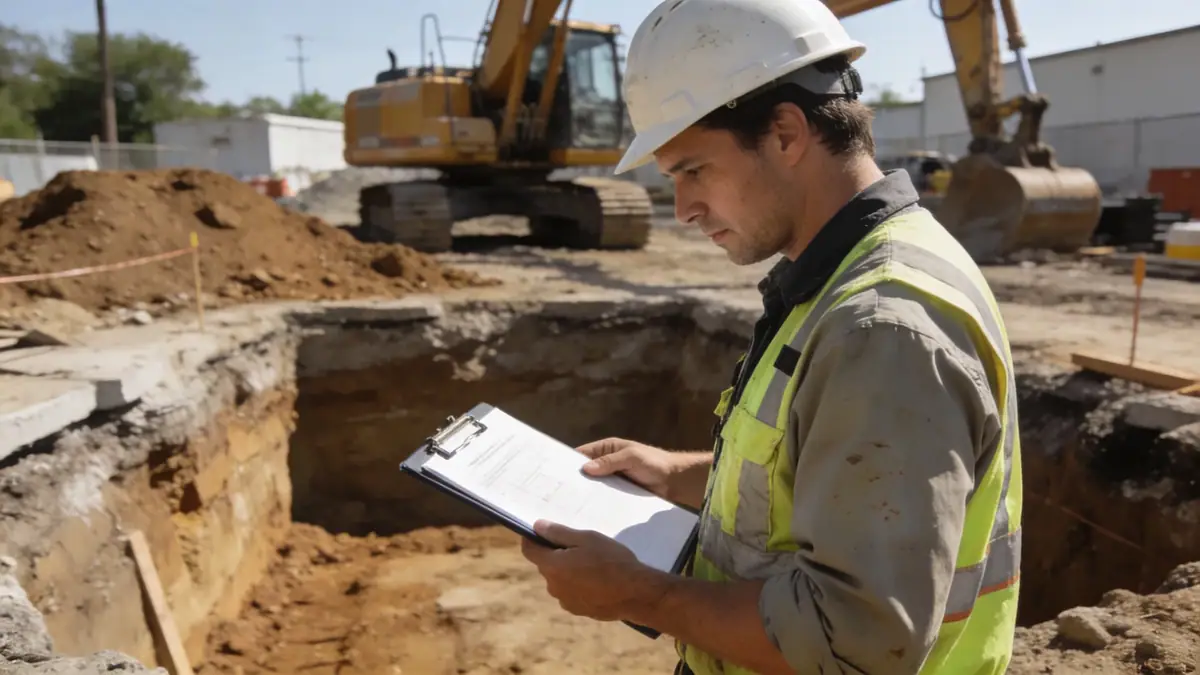
Our approach to geotechnical engineering in Nelson integrates advanced field testing and laboratory analysis. We begin with a comprehensive desk study of existing geological maps and borehole records, then execute a targeted field investigation program. This typically includes spt boring to obtain soil samples and measure in-situ resistance, supplemented by cone penetration tests (CPT) for continuous profiling. All fieldwork follows ASTM D1586 procedures, with sampling intervals of 1.0–1.5 m. Laboratory tests, including grain size distribution (ASTM D6913) and Atterberg limits, characterize soil behavior. We then model foundation performance under static and seismic loads per NZS 1170.5, ensuring designs account for local amplification effects. This systematic methodology delivers reliable data for safe and economical engineering solutions.
Reference Technical Parameters
| Parameter | Reference Value |
|---|---|
| Predominant soil type | Alluvial gravels and sands with silt layers |
| Maximum seismic acceleration (PGA) | 0.4g (Zone factor Z = 0.4 per NZS 1170.5) |
| Typical groundwater level | 2–5 m below ground surface |
| Bedrock depth | 10–30 m (variable, deeper in valley fills) |
| Typical N60 range | 10–30 blows/300 mm in gravels; 4–15 in silts |
Local Considerations — Nelson
Nelson's geology is dominated by Quaternary alluvial deposits from the Maitai and Wakapuaka Rivers, underlain by greywacke bedrock. The city lies in a high seismic zone (Z = 0.4), requiring careful site-specific response analysis. Groundwater is typically shallow (2–5 m), necessitating dewatering considerations for excavations. In the inner city, older fill and reclaimed land pose liquefaction risks, while hillside areas feature colluvial soils prone to instability. Our firm addresses these contrasts with tailored investigation plans, including slope stability assessments for hillside developments. For major projects, we coordinate with our main office in geotechnical engineering en Wellington, ensuring consistent quality across regions.
Request a Quote
Our team reviews your project and issues an initial report at no cost.
Or write us directly at [email protected]
Services in Nelson
Applicable Standards
- NZS 1170.5 (Structural Design Actions – Earthquake)
- NZS 3604 (Timber-framed buildings)
- ASTM D1586 (Standard Test Method for SPT)
- NZS 4404 (Land development and subdivision infrastructure)
Frequently Asked Questions
What are the typical soil types encountered in Nelson?
Nelson's subsurface consists mainly of alluvial gravels, sands, and silts deposited by local rivers. Overbank areas contain soft clays and peat layers. Bedrock (greywacke) is found at depths of 10–30 m, with deeper weathering profiles in valley floors.
Why is seismic geotechnical analysis critical in Nelson?
Nelson is in a high seismic zone (Z = 0.4) per NZS 1170.5. Soils can amplify ground motions, and shallow groundwater increases liquefaction potential. Site-specific analysis is essential to design foundations that withstand earthquake forces and mitigate differential settlement.
Are geotechnical investigations mandatory for building in Nelson?
Yes, for most commercial and multi-storey residential projects. The Nelson City Council requires geotechnical reports as part of building consent applications, especially on sites with known hazards like liquefaction, slope instability, or fill. Our firm prepares these reports to regulatory standards.