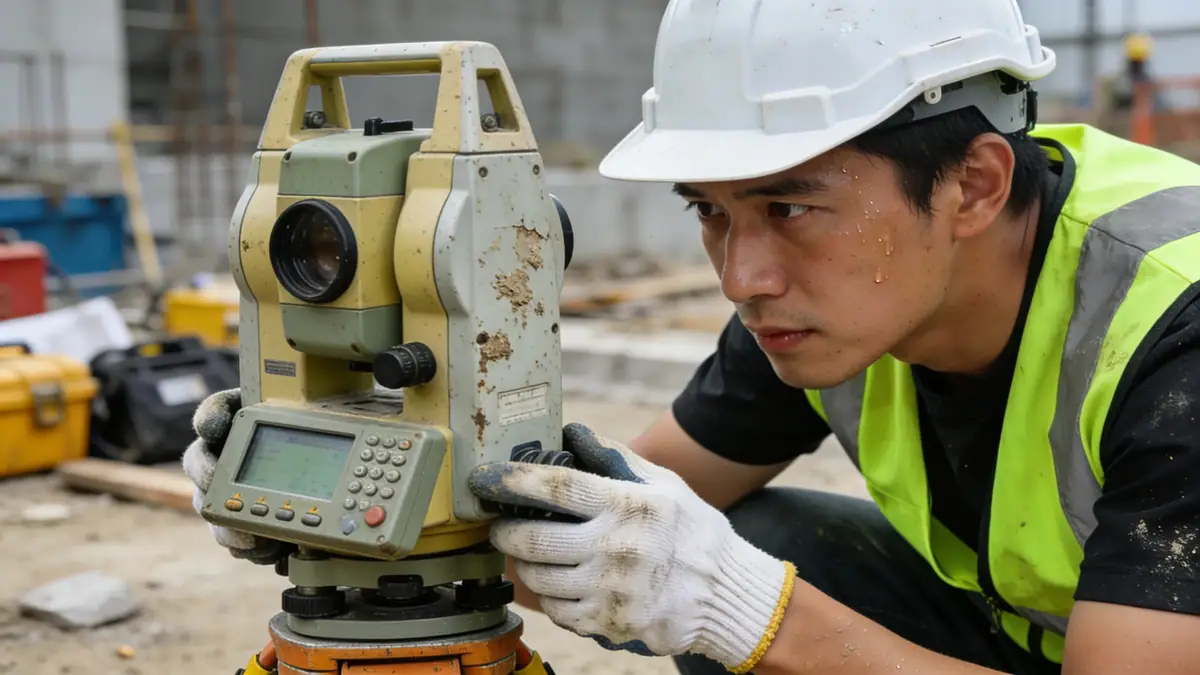
Methodology
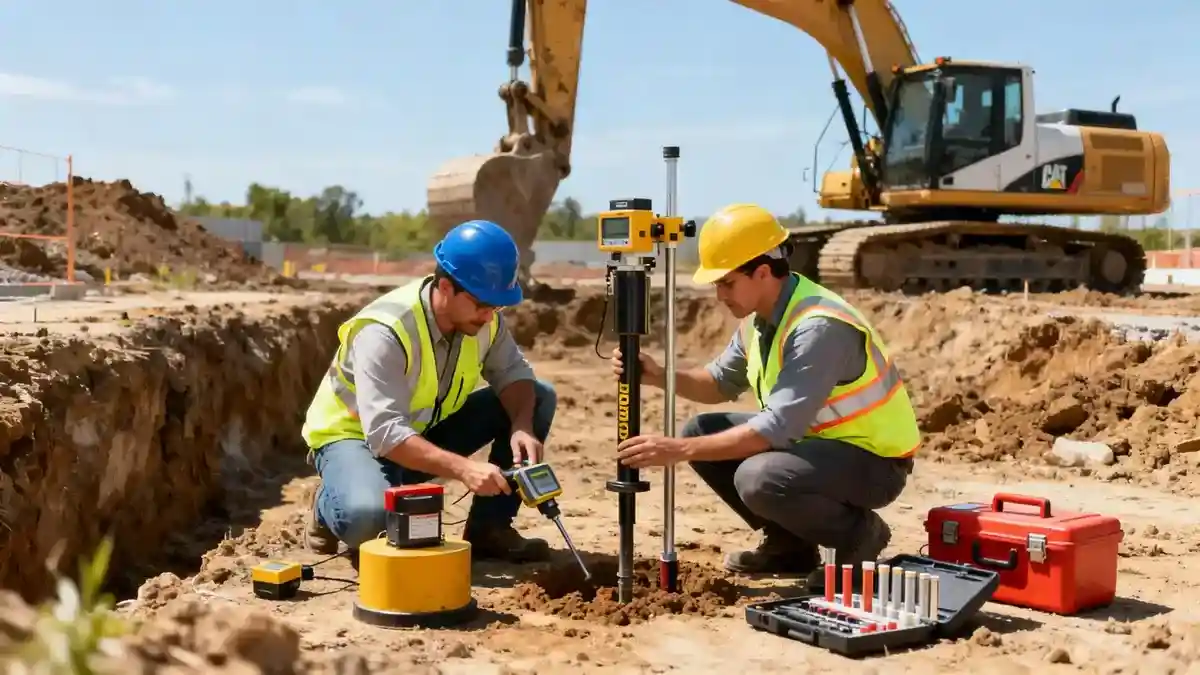
Our methodology for geotechnical engineering in Porirua begins with a detailed desk study of geological maps and historical data, followed by targeted field investigations. We employ standard penetration testing (SPT) as per ASTM D1586 to characterize subsurface conditions, with sampling intervals typically every 1.0–1.5 m to depths of 8–15 m for residential projects. In areas with soft soils or high groundwater, we may extend boreholes up to 30 m. Our spt boring services are complemented by laboratory testing to determine key engineering properties, ensuring robust foundation designs.
Reference Technical Parameters
| Parameter | Reference Value |
|---|---|
| Predominant soil type | Alluvial silts, sands, and volcanic clays |
| Maximum seismic acceleration (PGA) | 0.4g (NZS 1170.5, subsoil class D) |
| Typical groundwater level | 1–3 m below ground surface |
| Bedrock depth | Variable: 10–30 m in coastal areas, <5 m on ridges |
| Typical N60 range | 4–15 blows/300 mm in loose deposits; 20–50 in dense layers |
Local Considerations — Porirua
Porirua's geotechnical challenges are shaped by its coastal setting and proximity to the Wellington Fault. The area is underlain by Quaternary alluvium and colluvium, with groundwater levels often shallow (1–3 m), requiring dewatering considerations for excavations. The seismic hazard is high, with a peak ground acceleration of 0.4g per NZS 1170.5, necessitating rigorous liquefaction assessments in low-lying areas. Our team integrates local knowledge with advanced analysis, referencing our work from geotechnical engineering en Wellington to inform Porirua-specific solutions. For slope stability evaluations, we draw on our slope stability expertise to address landslide risks on steeper terrain.
Request a Quote
Our team reviews your project and issues an initial report at no cost.
Or write us directly at [email protected]
Services in Porirua
Applicable Standards
- NZS 1170.5:2004 Structural Design Actions - Earthquake actions
- NZS 3604:2011 Timber-framed buildings
- ASTM D1586 Standard Test Method for SPT
- BS 5930:2015 Code of practice for site investigations
Frequently Asked Questions
What types of soil are commonly found in Porirua?
Porirua's soils are predominantly alluvial silts, sands, and volcanic clays. Coastal areas feature loose marine deposits, while elevated zones have stiff residual soils. Groundwater is often shallow, affecting foundation design.
How does seismic risk affect geotechnical engineering in Porirua?
Porirua is in a high seismic zone with PGA up to 0.4g. Geotechnical investigations must assess liquefaction potential in soft soils, recommend appropriate foundation types, and ensure compliance with NZS 1170.5 for earthquake-resistant design.
Are geotechnical investigations mandatory for building in Porirua?
Yes, for most new structures, especially those in areas with variable ground conditions or high seismic risk. Local councils typically require site-specific geotechnical reports to verify foundation suitability and mitigate hazards.