Methodology
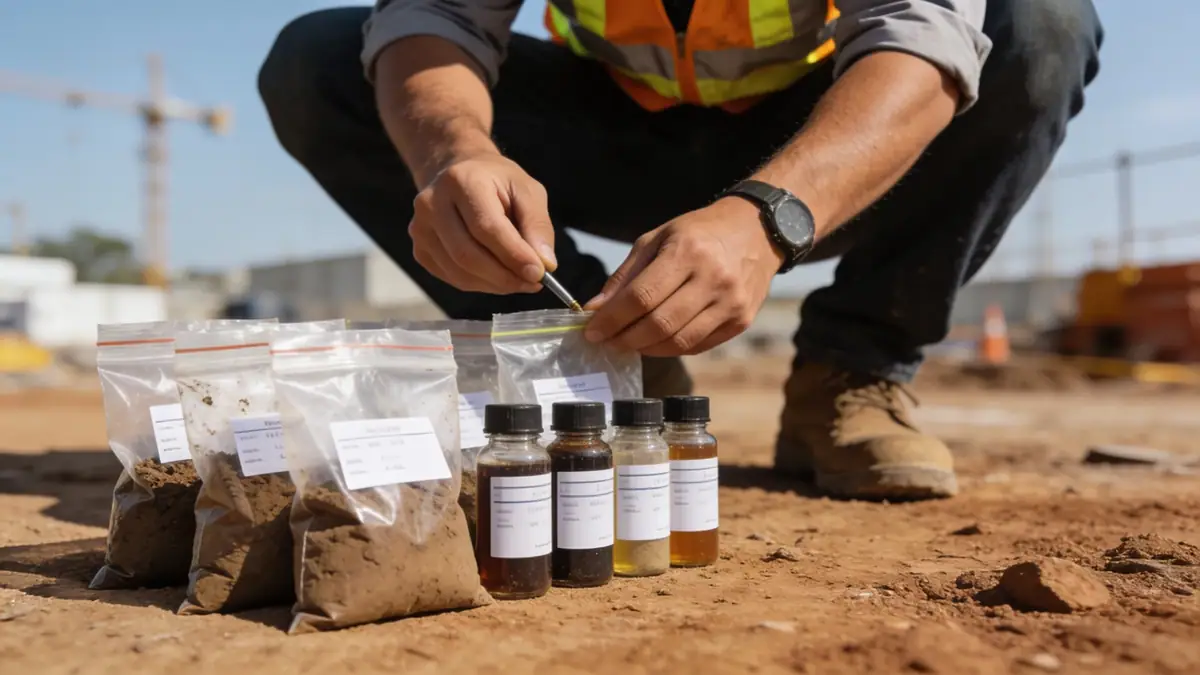
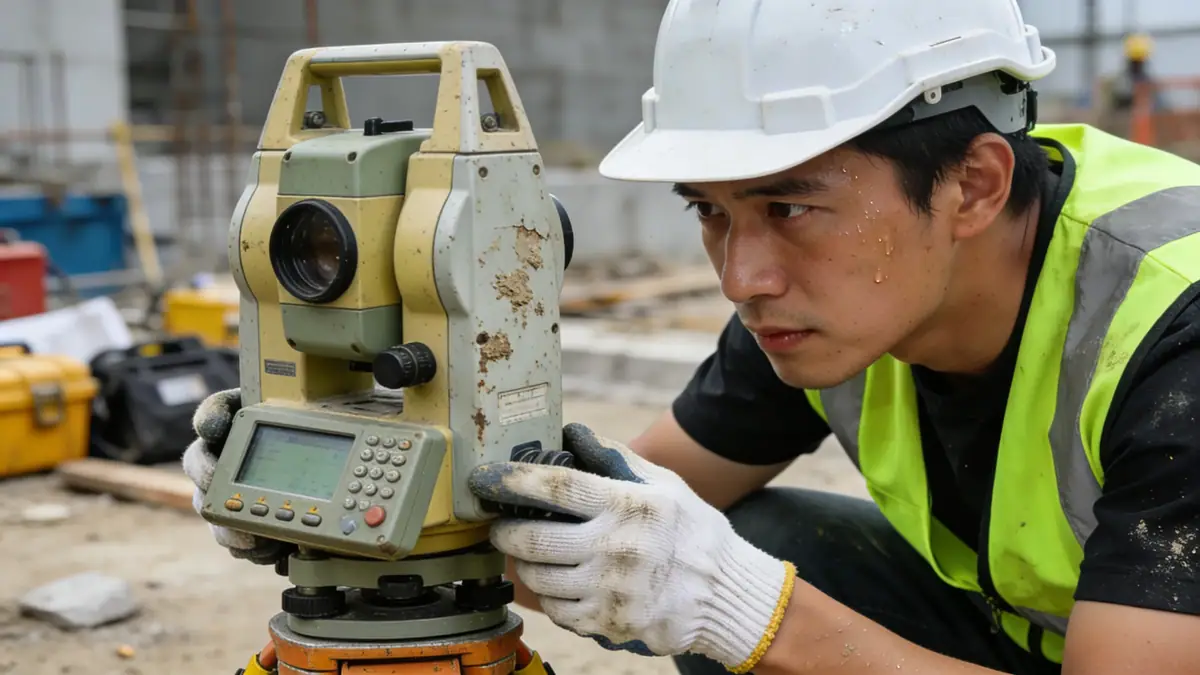
Our methodology for projects in Invercargill follows a systematic approach, beginning with a detailed desk study of existing geological data. We then conduct field investigations, including spt boring to characterize subsurface conditions. This is complemented by laboratory testing of recovered samples to determine engineering properties such as strength and compressibility. Our team integrates these findings with local seismic hazard considerations to develop robust geotechnical models that inform foundation design and earthworks recommendations.
Reference Technical Parameters
| Parameter | Reference Value |
|---|---|
| Predominant soil type | Alluvial silts, sands, and gravels with peat layers |
| Maximum seismic acceleration (PGA) | 0.32g (based on NZS 1170.5 for Invercargill) |
| Typical groundwater level | 1.5–3.0 m below ground surface |
| Bedrock depth | 20–40 m (variable, deeper in eastern suburbs) |
| Typical N60 range (SPT) | 4–15 blows/ft in soft soils, up to 30 in dense sands |
Local Considerations — Invercargill
Invercargill's geology is dominated by Quaternary alluvial deposits from the Oreti and Waihopai Rivers, with soft silts, sands, and occasional peat layers. Groundwater is generally shallow (1.5–3.0 m), requiring dewatering considerations for excavations. Seismic hazard is moderate, with a peak ground acceleration of 0.32g per NZS 1170.5, necessitating liquefaction assessments in loose saturated sands. Western suburbs like Waikiwi tend to have firmer ground, while eastern areas near the estuary show softer conditions. Typical projects include residential foundations on shallow footings or piles, and retaining wall design for sloping sites. For a broader regional perspective, see our geotechnical engineering in Dunedin page.
Request a Quote
Our team reviews your project and issues an initial report at no cost.
Or write us directly at [email protected]
Services in Invercargill
Applicable Standards
- NZS 1170.5 (Structural Design Actions – Earthquake)
- NZS 3604 (Timber-Framed Buildings)
- ASTM D1586 (Standard Test Method for SPT)
- BS 5930 (Code of Practice for Site Investigations)
Frequently Asked Questions
What are the typical soil conditions in Invercargill?
Invercargill's soils are predominantly alluvial silts, sands, and gravels deposited by local rivers. Peat layers are common in low-lying areas. Groundwater is shallow, typically 1.5–3.0 m deep. These conditions require careful evaluation for foundation design and liquefaction potential.
Is a geotechnical investigation mandatory for building in Invercargill?
Yes, for most commercial and multi-storey residential projects, a geotechnical investigation is required under NZS 1170.5 and local council regulations. Even for simple houses on shallow foundations, site-specific soil testing is strongly recommended to ensure compliance with NZS 3604.
What seismic design considerations apply in Invercargill?
Invercargill falls within Seismic Zone 2 under NZS 1170.5, with a PGA of 0.32g. This requires consideration of soil liquefaction and site class effects. Our team incorporates these factors into foundation and retaining wall designs to meet code requirements.